Table of Contents
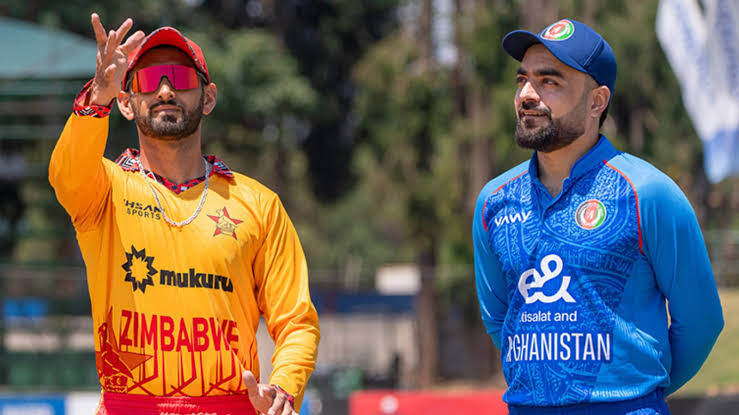
The Afghanistan National Cricket Team Vs Zimbabwe National Cricket Team Timeline traces the development of a fascinating rivalry between two teams that have taken different routes to international success. Their first encounters came through ICC qualifying competitions in 2009, before regular bilateral contests developed across ODIs, T20Is and Tests. Afghanistan have built a particularly strong record in white-ball cricket, while Zimbabwe have shown greater competitiveness in the longest format. The rivalry has produced memorable performances, dramatic finishes and important series victories. In 2025, Afghanistan swept the three-match T20I series in Harare, while Zimbabwe responded with a dominant innings victory in the Test played shortly before the T20I series.
Head-to-Head Summary
| Format | Total Matches | Afghanistan Wins | Zimbabwe Wins | Tied/No Result |
|---|---|---|---|---|
| Test Matches | 5 | 2 | 2 | 1 |
| One-Day Internationals (ODIs) | 31 | 20 | 10 | 1 |
| Twenty20 Internationals (T20Is) | 22 | 19 | 3 | 0 |
Recent Bilateral Series Timeline (2024–2025)
The historical timeline of their recent bilateral encounters tracks back across their multi-format tours hosted in Zimbabwe:
Afghanistan Tour of Zimbabwe (October – November 2025)
Afghanistan swept the T20I leg of the tour, while Zimbabwe claimed a commanding victory in the singular Test match.
| Date | Match Format | Venue | Winner | Margin |
|---|---|---|---|---|
| Nov 02, 2025 | 3rd T20I | Harare Sports Club | Afghanistan | Won by 9 runs |
| Oct 31, 2025 | 2nd T20I | Harare Sports Club | Afghanistan | Won by 7 wickets |
| Oct 29, 2025 | 1st T20I | Harare Sports Club | Afghanistan | Won by 53 runs |
| Oct 20–22, 2025 | Only Test | Harare Sports Club | Zimbabwe | Won by an innings and 73 runs |
Afghanistan Tour of Zimbabwe (December 2024 – January 2025)
A full-scale series where Afghanistan clinched both the T20I and ODI trophies, while the intense two-match Test series ended deadlocked.
| Date | Match Format | Venue | Winner | Margin |
|---|---|---|---|---|
| Jan 02–06, 2025 | 2nd Test | Queen’s Sports Club | Afghanistan | Won by 72 runs |
| Dec 26–30, 2024 | 1st Test | Queen’s Sports Club | Drawn | Match Drawn |
| Dec 21, 2024 | 3rd ODI | Harare Sports Club | Afghanistan | Won by 8 wickets |
| Dec 19, 2024 | 2nd ODI | Harare Sports Club | Afghanistan | Won by 232 runs |
| Dec 17, 2024 | 1st ODI | Harare Sports Club | No Result | Abandoned due to rain |
| Dec 14, 2024 | 3rd T20I | Harare Sports Club | Afghanistan | Won by 3 wickets |
| Dec 13, 2024 | 2nd T20I | Harare Sports Club | Afghanistan | Won by 50 runs |
| Dec 11, 2024 | 1st T20I | Harare Sports Club | Zimbabwe | Won by 4 wickets |
Historical Series Outcomes (2016–2022)
The rivalry over the preceding decade saw tournament matches across neutral territory in the UAE and Tri-series events in Bangladesh.
| Season/Year | Tour / Tournament | Format | Host Country | Series Winner |
|---|---|---|---|---|
| 2022 | Afghanistan in Zimbabwe Series | ODI and T20I | Zimbabwe | Afghanistan (3-0 ODI, 3-0 T20I) |
| 2021 | Zimbabwe vs Afghanistan Bilateral | Test and T20I | UAE | Drawn (1-1 Test), Afghanistan (3-0 T20I) |
| 2019 | Bangladesh Tri-Nation Series | T20I | Bangladesh | Shared (Trophy shared with BAN) |
| 2018 | ICC Cricket World Cup Qualifier | ODI Tournament | Zimbabwe | Afghanistan (Tournament winners) |
| 2018 | Afghanistan vs Zimbabwe Bilateral | ODI and T20I | UAE | Afghanistan (4-1 ODI, 2-0 T20I) |
| 2017 | Afghanistan in Zimbabwe Series | ODI | Zimbabwe | Afghanistan (3-2 ODI) |
| 2016 | ICC Men’s T20 World Cup | T20I Tournament | India | Afghanistan (Group Stage Win) |
Overall Rivalry Leaders (All Formats Combined)
| Discipline | Player | Team | Performance |
|---|---|---|---|
| Most Runs | Sikandar Raza | Zimbabwe | 1571 Runs |
| Most Wickets | Rashid Khan | Afghanistan | 107 Wickets |
Format-by-Format Breakdown
1. Test Matches
Batting (Most Runs)
| Player | Team | Runs | Highest Score |
|---|---|---|---|
| Sean Williams | Zimbabwe | 518 | 151 |
| Hashmatullah Shahidi | Afghanistan | 550 | 246 |
| Rahmat Shah | Afghanistan | 497 | 234 |
Bowling (Most Wickets)
| Player | Team | Wickets | Best Bowling |
|---|---|---|---|
| Blessing Muzarabani | Zimbabwe | 23 | 6/95 |
| Rashid Khan | Afghanistan | 22 | 7/66 |
2. One-Day Internationals (ODIs)
Batting (Most Runs)
| Player | Team | Runs |
|---|---|---|
| Sikandar Raza | Zimbabwe | 798 |
| Rahmat Shah | Afghanistan | 497 |
Bowling (Most Wickets)
| Player | Team | Wickets |
|---|---|---|
| Rashid Khan | Afghanistan | 50 |
3. Twenty20 Internationals (T20Is)
Batting (Most Runs)
| Player | Team | Runs |
|---|---|---|
| Mohammad Nabi | Afghanistan | 486 |
| Sikandar Raza | Zimbabwe | 511 |
Bowling (Most Wickets)
| Player | Team | Wickets |
|---|---|---|
| Rashid Khan | Afghanistan | 35 |
Record Performances to Note
- Highest Individual Score: Hashmatullah Shahidi scored an unbeaten 246 runs during the Bulawayo Test match.
- Best Bowling Figures: Rashid Khan holds the record for the best bowling performance with an innings haul of 7 wickets for 66 runs.
When Two Rising Forces First Crossed Paths
The historic rivalry between Afghanistan and Zimbabwe officially commenced in July 2014 when Afghanistan travelled to Bulawayo for a four-match One-Day International (ODI) series. Zimbabwe, a long-standing Full Member of the ICC, was expected to easily sweep aside the rising Associate team. However, after dropping the first two encounters, Afghanistan staged a sensational comeback to secure victories in the final two matches. This unexpected fightback tied the series 2-2 and immediately signalled that Afghanistan possessed the talent to challenge established cricketing nations.
| Date | Match Format | Venue | Winner | Key Performer |
|---|---|---|---|---|
| 18 Jul 2014 | 1st ODI | Bulawayo | Zimbabwe | Hamilton Masakadza (75 runs) |
| 20 Jul 2014 | 2nd ODI | Bulawayo | Zimbabwe | Sean Williams (102 runs) |
| 22 Jul 2014 | 3rd ODI | Bulawayo | Afghanistan | Samiullah Shinwari (4 wickets) |
| 24 Jul 2014 | 4th ODI | Bulawayo | Afghanistan | Gulbadin Naib (4 wickets) |
The Early Years of Uneven Contests
Following their initial stalemates, the period between late 2014 and mid-2015 saw Zimbabwe attempting to stamp its traditional authority. Leveraging their superior access to first-class facilities and deep roster experience, the Zimbabwean side frequently exploited Afghanistan’s early tactical rashness. Games during this phase often leaned in favour of Zimbabwe, particularly when playing on quicker, bouncing home tracks that exposed the newcomers’ technical gaps against disciplined seam bowling.
| Series Window | Host Country | Format | Matches | Series Winner | Dominant Factor |
|---|---|---|---|---|---|
| Oct 2014 | Zimbabwe | ODI | 4 | Zimbabwe (3-1) | Experienced pace bowling units |
| Jan 2015 | UAE (Neutral) | ODI | 3 | Zimbabwe (2-1) | Top-order batting stability |
| May 2015 | Pakistan (Neutral) | T20I | 2 | Zimbabwe (2-0) | Tactical composure under pressure |
Afghanistan Finds Its Voice on the Big Stage
The grand stage of global ICC tournaments became the turning point where Afghanistan truly found its voice. During the 2016 ICC Men’s T20 World Cup in India, the two sides were drawn into the same first-round group, setting up a winner-takes-all knockout clash in Nagpur for a spot in the Super 10 stage. Powered by an explosive batting performance and a suffocating spin web, Afghanistan dismantled Zimbabwe on a global broadcast, shifting the narrative surrounding the rivalry permanently.
| Tournament | Match Date | Stage | Ground | Outcome | Margin of Victory |
|---|---|---|---|---|---|
| ICC T20 World Cup | 12 Mar 2016 | Group B Decider | Nagpur | Afghanistan won | Won by 59 runs |
| ICC CWC Qualifier | 06 Mar 2018 | Super Sixes | Bulawayo | Afghanistan won | Won by 3 wickets |
Bilateral Battles and the Shift in Power
By late 2015 and extending into 2017, the rivalry morphed into highly competitive, full-length bilateral series. Afghanistan returned to Zimbabwe and achieved a historic breakthrough, becoming the first Associate nation to defeat a Full Member in a bilateral ODI and T20I series away from home. The 2017 tour in Harare pushed both sides to their absolute limits, with the five-match ODI series going down to a tense, rain-shortened deciding game that Afghanistan clinched via the DLS method, confirming a definitive shift in power.
The Spin Masters Take Control
As the rivalry transitioned into the late 2010s, Afghanistan established an unassailable tactical advantage using its world-class spin department. Zimbabwean batsmen, traditionally brought up on tracks favouring pace and bounce, struggled immensely to decode the variations, speed through the air, and subtle deceptions delivered by Afghanistan’s spinners. This absolute strangulation meant that even when Zimbabwe’s bowlers restricted the Afghan batting lineup, their batsmen could not construct successful runs chases.
| Bowler | Primary Discipline | Format Impact | Key Weapon | Total Wickets vs ZIM |
|---|---|---|---|---|
| Rashid Khan | Leg-break Googly | All Formats | Rapid-quick googly | 107 |
| Mohammad Nabi | Right-arm Off-break | Limited Overs | Defensive economy | 48 |
| Mujeeb Ur Rahman | Carrom Ball | ODI / T20I | Powerplay mystery | 32 |
Test Cricket Joins the Rivalry
The ultimate validation of this fierce matchup arrived in March 2021 when the teams faced off in the longest format of the game for the first time. Playing a two-match Test series in Abu Dhabi, the encounters provided a beautiful contrast of styles. Zimbabwe struck early by exploiting Afghanistan’s red-ball patience gaps in the first Test, but Afghanistan responded historically in the second game, leaving the debut Test series appropriately drawn.
| Match | Venue | Top Afghan Performer | Top Zimbabwe Performer | Match Result |
|---|---|---|---|---|
| 1st Test (2021) | Abu Dhabi | Ibrahim Zadran (76 runs) | Sean Williams (105 runs) | Zimbabwe won by 10 wickets |
| 2nd Test (2021) | Abu Dhabi | Hashmatullah Shahidi (246*) | Sikandar Raza (85 runs) | Afghanistan won by 172 runs |
Modern Dominance and Rare Home Surprises
In recent years, the rivalry has settled into a pattern of general Afghan dominance, driven by their extensive exposure to elite global leagues and consistent top-tier international schedules. During their multi-format tours across the 2024 and 2025 seasons, Afghanistan demonstrated superior bench depth, clean-sweeping white-ball legs via power-hitting and tactical maturity. Even so, Zimbabwe has proven they retain the ability to spring massive surprises in home conditions, such as their emphatic victory in the October 2025 standalone Test match in Harare, where their pace attack perfectly exploited local conditions.
Fan Passion, Pressure Moments and Lasting Scorecards
Beyond cold numbers, this rivalry is sustained by immense fan passion and shared historical resilience. For both nations, cricket serves as an emotional outlet and a matter of profound national pride. Matches are rarely quiet, characterized by shouting crowds, waving flags, and incredible tension in the stands of Harare, Bulawayo, or Sharjah. Whether deciding an analytical final-over thriller or enduring a grueling five-day battle of attrition, both teams play with visible emotional investment, guaranteeing that future chapters of this modern rivalry will remain fiercely contested.
Final Thoughts
The Afghanistan National Cricket Team Vs Zimbabwe National Cricket Team Timeline demonstrates how quickly Afghanistan have developed into a major force in associate and full-member cricket while Zimbabwe continue to fight strongly across formats. Afghanistan have generally controlled the limited-overs rivalry, but Test cricket has been much more evenly balanced. Zimbabwe’s innings-and-73-run victory in Harare in October 2025 was a powerful reminder of their red-ball strength. Afghanistan then answered immediately by winning all three T20Is, showing their white-ball superiority. This changing balance makes every future meeting between the teams worth watching.
FAQs
1. When did Afghanistan and Zimbabwe first meet?
Afghanistan and Zimbabwe first met in ICC qualifying competitions in 2009. Their rivalry later expanded into regular bilateral cricket across multiple formats.
2. Which team has the stronger white-ball record?
Afghanistan have generally enjoyed the stronger record in ODIs and T20Is, establishing a significant advantage over Zimbabwe in limited-overs cricket.
3. Have Afghanistan and Zimbabwe played Test cricket?
Yes. The teams have played five Tests, with the Test rivalry much closer than their limited-overs contests. By the end of 2025, both sides had recorded two Test victories, with one match drawn.
4. What happened in their 2025 Test match?
Zimbabwe defeated Afghanistan by an innings and 73 runs in Harare in October 2025. Zimbabwe scored 406, while Afghanistan were dismissed for 127 and 159.
5. Why is the Afghanistan National Cricket Team Vs Zimbabwe National Cricket Team Timeline important?
The Afghanistan National Cricket Team Vs Zimbabwe National Cricket Team Timeline is important because it shows the contrasting strengths of both teams. Afghanistan have dominated many white-ball contests, while Zimbabwe have demonstrated their ability to challenge Afghanistan in Test cricket. Their rivalry continues to grow with every international series.
