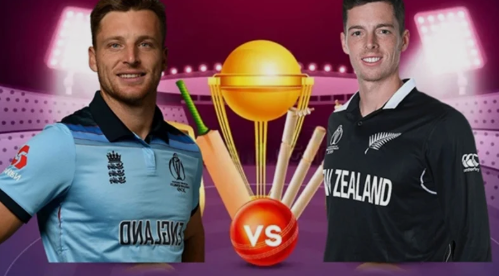
The England Cricket Team vs New Zealand National Cricket Team stats tell a story that goes far beyond numbers and scorecards. This rivalry has evolved over decades, beginning with gentle contests and growing into one of cricket’s most respected and competitive battles. From early Test matches where England dominated to modern-day thrillers filled with tension and drama, every encounter has added a new layer to this journey. Players have risen, records have been broken, and unforgettable moments have shaped the narrative. It is a rivalry built on skill, resilience, and mutual respect, yet driven by a constant desire to outperform each other.
Latest Matches
Tournament
Venue
Date
Toss
England Score
New Zealand Score
Result
Series
Player of the Match
Men’s T20 World Cup
Colombo
Feb 27, 2026
New Zealand (bat)
161/6 (19.3 overs)
159/7 (20 overs)
England won by 4 wkts
T20 World Cup Super 8
Will Jacks (ENG)
Bilateral ODI
Wellington
Nov 1, 2025
New Zealand (field)
222 (40.2 overs)
226/8 (44.4 overs)
New Zealand won by 2 wkts
Bilateral ODI Series
Daryl Mitchell (NZ)
Bilateral ODI
Hamilton
Oct 29, 2025
England (bat)
175 (36 overs)
177/5 (33.1 overs)
New Zealand won by 5 wkts
Bilateral ODI Series
Zak Foulkes (NZ)
Bilateral ODI
Mt Maunganui
Oct 26, 2025
New Zealand (field)
223 (35.2 overs)
224/6 (36.4 overs)
New Zealand won by 4 wkts
Bilateral ODI Series
Blair Tickner (NZ)
Bilateral T20I
Christchurch
Oct 20, 2025
New Zealand (field)
236/4 (20 overs)
171 (18 overs)
England won by 65 runs
Bilateral T20I Series
Harry Brook (ENG)
Bilateral Test
Hamilton
Dec 14, 2024
England (field)
143 & 234
347 & 453
New Zealand won by 423 runs
Crowe-Thorpe Trophy
Kane Williamson (NZ)
Bilateral Test
Wellington
Dec 6, 2024
New Zealand (field)
280 & 427/6d
125 & 259
England won by 323 runs
Crowe-Thorpe Trophy
Brydon Carse (ENG)
Format-wise Head-to-Head Detailed
Format
Matches
England Wins
New Zealand Wins
Tied / NR
Test Matches
113
53
13
47
ODI Matches
96
45
45
6
T20 Internationals
32
19
10
3
Overall
241
117
68
56
Top Run Scorers (All-Time Combined)
Player
Team
Total Runs
Formats Played
Joe Root
England
2,000+
Test, ODI, T20I
Alastair Cook
England
1,900+
Test, ODI
Kane Williamson
New Zealand
1,800+
Test, ODI, T20I
Ross Taylor
New Zealand
1,700+
Test, ODI, T20I
Harry Brook
England
1,122
Test, ODI, T20I
All-Time Leading Wicket Takers (Head-to-Head)
Player
Team
Wickets
Best Figures
James Anderson
England
100+
7/43 (Test)
Stuart Broad
England
80+
7/44 (Test)
Richard Hadlee
New Zealand
75+
9/52 (Test)
Trent Boult
New Zealand
65+
6/33 (Test)
Tim Southee
New Zealand
60+
7/33 (ODI)
When the First Ball Was Bowled Between Two Nations
The story of England Cricket Team vs New Zealand National Cricket Team stats begins in 1930, when New Zealand stepped onto the international stage to face England in their first-ever Test series. Played at Christchurch, this historic match was more than just a contest; it marked the arrival of a young cricketing nation eager to prove its worth. England, already an established powerhouse, brought experience, discipline, and tactical superiority. The scorecard reflected England’s control, yet New Zealand’s resilience stood out as they battled through challenging conditions. Though the match ended in a draw, it revealed early signs of determination from the hosts. Players showed grit rather than flair, focusing on survival and learning. England’s bowlers dominated phases of the game, while New Zealand’s batsmen fought hard to build partnerships. This encounter laid the foundation of a rivalry built not on aggression alone but on respect, patience, and gradual evolution. It was the first chapter of a long journey where underdogs slowly learned to challenge giants.
Match
Venue
Result
Top Performer
Key Highlight
1st Test 1930
Christchurch
Draw
Maurice Allom
New Zealand’s debut Test
2nd Test 1930
Wellington
England won
Wally Hammond
Strong English batting
3rd Test 1930
Auckland
England won
Harold Larwood
Dominant fast bowling
4th Test 1933
Auckland
Draw
Stewie Dempster
NZ batting improvement
Gentle Beginnings but Competitive Undercurrents
As the England Cricket Team vs New Zealand National Cricket Team stats evolved through the 1930s and 1940s, the rivalry carried a calm surface but hidden intensity. England continued to dominate most encounters, using their depth in batting and disciplined bowling to control matches. Yet, beneath those results, New Zealand quietly built a reputation for resilience. Their players were not intimidated anymore; instead, they focused on grinding out long innings and pushing matches toward draws. Scorecards from this era often showed England in commanding positions, but they also revealed how New Zealand’s lower order fought stubbornly to extend games. Matches were played in a spirit of respect, yet every session carried a sense of quiet competition. England relied on structured tactics and experience, while New Zealand experimented with combinations, searching for consistency. Fans began noticing that results did not fully capture the effort on display. These early contests shaped the mental toughness of New Zealand cricket, setting the stage for a rivalry that would soon grow beyond polite beginnings into something far more competitive.
Match
Venue
Result
Top Performer
Key Highlight
1st Test 1937
Lord’s
England won
Len Hutton
Strong English dominance
2nd Test 1937
Manchester
Draw
Bruce Mitchell
NZ batting resistance
1st Test 1949
Christchurch
Draw
Bert Sutcliffe
Historic fightback
2nd Test 1949
Wellington
Draw
John R Reid
NZ holds firm
3rd Test 1949
Auckland
Draw
Martin Donnelly
Competitive balance
The First Signs of Resistance
By the late 1940s and into the 1950s, the England Cricket Team vs New Zealand National Cricket Team stats began to reflect a subtle but important shift. New Zealand were no longer just surviving matches; they were starting to compete with purpose. The drawn series in 1949 in England became a turning point, where New Zealand held their ground across all Tests, frustrating a stronger English side. Scorecards from these matches showed long batting efforts, disciplined bowling spells, and a growing belief within the Kiwi camp. Players like Bert Sutcliffe and Martin Donnelly brought composure to the crease, while bowlers focused on accuracy rather than aggression. England still had the upper hand, but they were now being challenged session by session. Close finishes and hard-fought draws started to replace one-sided results. Fans and critics began to acknowledge New Zealand’s progress, sensing that a breakthrough win was only a matter of time. This phase planted the seeds of true resistance, turning a polite contest into a developing rivalry built on grit and quiet confidence.
Match
Venue
Result
Top Performer
Key Highlight
1st Test 1949
Leeds
Draw
Bert Sutcliffe
Strong NZ batting effort
2nd Test 1949
London
Draw
Martin Donnelly
Composed innings under pressure
3rd Test 1949
Manchester
Draw
Jack Cowie
Tight bowling spells
1st Test 1951
Nottingham
England won
Alec Bedser
English bowling control
2nd Test 1951
Lord’s
Draw
John R Reid
NZ resilience continues
From Underdogs to Challengers
The transformation phase in England Cricket Team vs New Zealand National Cricket Team stats truly unfolded during the 1960s and 1970s, when New Zealand began shedding their underdog tag and stepping up as genuine challengers. The breakthrough moment arrived in 1978 at Christchurch, where New Zealand secured their first-ever Test victory over England. That result was not just a win on the scorecard, it was a statement of intent. Matches were no longer about survival; they were about control, planning, and execution. New Zealand’s bowlers started exploiting home conditions with precision, while their batsmen displayed patience mixed with calculated aggression. England still possessed stronger depth, but they were now forced to adapt to a team that believed it could win. Scorecards from this era reveal tighter contests, lower margins, and sessions that swung rapidly between both sides. Fans witnessed a shift in energy as New Zealand embraced confidence and England faced increasing pressure. The rivalry matured during this time, evolving from a predictable contest into a competitive battle where outcomes were no longer certain.
Match
Venue
Result
Top Performer
Key Highlight
1st Test 1965
Leeds
England won
Tom Graveney
Classic English batting
2nd Test 1965
Nottingham
Draw
Graham Dowling
NZ stability
1st Test 1978
Christchurch
New Zealand won
Richard Hadlee
Historic first NZ win
2nd Test 1978
Wellington
England won
Ian Botham
All-round brilliance
3rd Test 1978
Auckland
Draw
Glenn Turner
Strong NZ response
Matches That Turned Respect into Rivalry
As the 1980s and 1990s unfolded, the England Cricket Team vs New Zealand National Cricket Team stats began to tell a story of rising intensity. What once felt like a respectful contest slowly turned into a gripping rivalry shaped by hard-fought sessions and dramatic finishes. New Zealand, led by the brilliance of Richard Hadlee, started dominating phases of matches with disciplined bowling and smart field placements. England responded with aggressive batting and experienced campaigners who refused to back down. Scorecards from this era reflect tighter margins, frequent momentum shifts, and matches decided in the final sessions. One standout feature was the emergence of low-scoring thrillers, where bowlers dictated the pace and every run carried weight. Fans on both sides became more emotionally invested, sensing that these encounters were no longer predictable. Heated appeals, close decisions, and pressure-packed chases added layers of drama. This period firmly established the rivalry as competitive and intense, where respect still existed, but it was now accompanied by a burning desire to outplay the opponent in every possible way.
Match
Venue
Result
Top Performer
Key Highlight
1st Test 1983
Lord’s
England won
Ian Botham
Match-winning all-round show
2nd Test 1983
Leeds
New Zealand won
Richard Hadlee
Dominant bowling spell
1st Test 1986
Christchurch
New Zealand won
Richard Hadlee
Historic series impact
2nd Test 1986
Wellington
Draw
Martin Crowe
Solid batting display
3rd Test 1992
Auckland
New Zealand won
Martin Crowe
Tactical captaincy
World Cup Clashes That Raised the Stakes
The England Cricket Team vs New Zealand National Cricket Team stats reached a new level of intensity when the two sides began colliding in ICC World Cup tournaments. These were no longer bilateral contests played over multiple days; these were high-pressure, knockout-driven encounters where one mistake could end a campaign. The stakes were higher, the crowds louder, and every run carried immense value. One of the earliest memorable clashes came in the 1992 World Cup, where New Zealand’s innovative tactics and fearless approach stunned stronger teams, including England in the group stage. As the years progressed, their meetings became tighter and more dramatic. The 2015 World Cup clash showcased explosive batting, while the 2019 final turned into one of the most unforgettable matches in cricket history. Scorecards from these games reflect nerve-wracking finishes, tied scores, and moments where pressure defined heroes. England brought aggressive intent, while New Zealand relied on discipline and calm execution. These World Cup encounters transformed the rivalry into a global spectacle, where every meeting felt like a defining chapter in cricket history.
Match
Tournament
Result
Top Performer
Key Highlight
1992 WC
Group Stage
New Zealand won
Martin Crowe
Tactical brilliance
2007 WC
Group Stage
England won
Kevin Pietersen
Strong batting display
2015 WC
Group Stage
New Zealand won
Brendon McCullum
Explosive start
2019 WC
Final
England won
Ben Stokes
Dramatic super over
2023 WC
Group Stage
New Zealand won
Devon Conway
Dominant chase
Conclusion
The England Cricket Team vs New Zealand National Cricket Team stats reflect a rivalry that has transformed with time, adapting to new formats and changing cricketing philosophies. What started as a one-sided contest gradually turned into a balanced and intense competition filled with iconic matches and emotional moments. From historic breakthroughs to the unforgettable 2019 World Cup Final, both teams have pushed each other to greater heights. This rivalry stands as a testament to the spirit of cricket, where respect meets competitiveness. As new players emerge and fresh battles unfold, this story continues to grow, promising even more memorable chapters ahead.