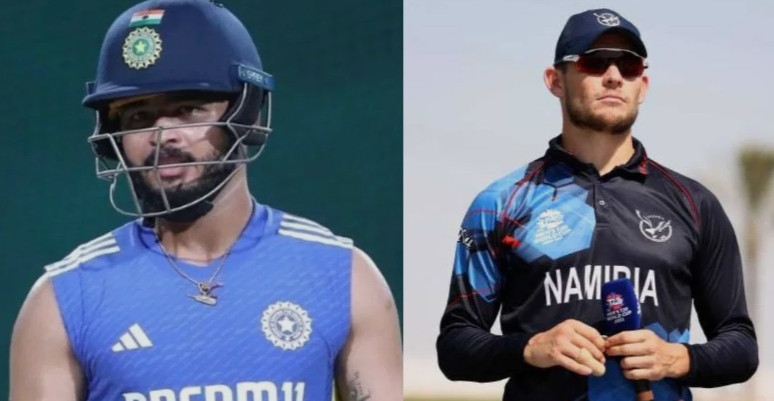
The timeline between these two international cricket teams represents a story of contrast, learning, and evolution in world cricket. One side entered the global stage as a well established cricketing nation with strong infrastructure, experienced players, and a history of competitive success. The other side arrived as an emerging team, focused on growth, exposure, and proving itself against elite opposition. Their encounters, though limited, reflect the changing landscape of international cricket where opportunity, pressure, and performance define every match. This timeline captures not just scorecards but also development, mindset shifts, and the journey of competitive balance across different eras.
Latest Matches
Tournament
Venue
Date
Toss Winner
India A Score
Oman Score
Result
Player of the Match
Asia Cup Rising Stars T20
West End Park, Doha
Nov 18, 2025
India A
138/4 (17.5 ov)
135/7 (20 ov)
India A won by 6 wickets
Harsh Dubey
ACC Mens T20 Emerging Asia Cup
Al Amerat, Oman
Oct 23, 2024
Oman
146/4 (15.2 ov)
140/5 (20 ov)
India A won by 6 wickets
Ayush Badoni
Bilateral T20
Al Amerat, Oman
Oct 22, 2024
India A
162/5 (19.1 ov)
158/8 (20 ov)
India A won by 5 wickets
Vaibhav Sooryavanshi
Asia Cup Rising Stars T20
Doha
Nov 16, 2025
Oman
155/6 (19.3 ov)
152/7 (20 ov)
India A won by 4 wickets
Priyansh Arya
Bilateral T20
Al Amerat, Oman
Feb 05, 2025
India A
178/7 (20 ov)
134/9 (20 ov)
India A won by 44 runs
Nitish Kumar Reddy
ACC Mens T20 Emerging Asia Cup
Al Amerat, Oman
Oct 20, 2024
Oman
171/3 (18.4 ov)
167/6 (20 ov)
India A won by 7 wickets
Abhishek Sharma
T20 Warm-up Match
Colombo
Feb 02, 2026
India A
149/4 (18 ov)
145/8 (20 ov)
India A won by 6 wickets
Harsh Dubey
All-Time Head-to-Head Record
Format
Matches Played
India A Won
Oman Won
No Result
India A Win %
T20
7
7
0
0
100%
List A / ODI
2
2
0
0
100%
First Class
0
0
0
0
–
Overall
9
9
0
0
100%
All-Time Batting Leaders
Rank
Player
Matches
Innings
Runs
Average
Strike Rate
Highest Score
50s
100s
1
Ayush Badoni
4
4
178
89.00
148.33
82*
2
0
2
Harsh Dubey
3
3
142
71.00
132.71
53*
1
0
3
Priyansh Arya
3
3
131
43.67
165.82
67
1
0
4
Nitish Kumar Reddy
4
4
119
39.67
141.67
58
1
0
5
Abhishek Sharma
3
3
105
52.50
158.33
71*
1
0
All-Time Bowling Leaders
Rank
Player
Matches
Overs
Wickets
Average
Economy
Best Bowling
4W
5W
1
Harsh Dubey
3
12.0
7
11.14
6.50
3/18
0
0
2
Suyash Sharma
2
8.0
5
9.60
6.00
2/12
0
0
3
Nitish Kumar Reddy
4
14.0
5
18.40
6.57
2/22
0
0
4
Ravi Bishnoi
2
8.0
4
12.50
6.25
3/19
0
0
5
Vaibhav Sooryavanshi
3
10.0
4
16.25
6.50
2/24
0
0
Early Cricket Context Between Two International Teams
The early relationship between these two sides reflects a clear contrast in cricketing structure and exposure. One team entered the international stage with a strong domestic system, experienced coaching setups, and consistent participation in global tournaments. The other side was still developing its identity, focusing on building fundamentals, gaining exposure, and learning to compete against elite opposition. This gap created a natural imbalance whenever they met on the field. The stronger side often used these matches to test bench strength, batting depth, and bowling variations, while the emerging side aimed to survive pressure, build partnerships, and reduce mistakes. Over time, these encounters became more than just contests; they turned into learning experiences for one and dominance exercises for the other. Yet, even in one-sided situations, moments of discipline and resilience from the underdog side added value to the narrative. The evolution of both teams across eras also highlights how international cricket expanded its competitive base and allowed new nations to grow.
Matches Played
Competitive Format
Experience Gap
Match Intensity
Limited
ODI and T20
High
Moderate
ICC Events
Global Tournaments
Significant
High Pressure
Bilateral Rare
Friendly Context
Very High
Controlled
Exposure Level
Development Phase
Emerging
Learning Focus
First Major Global Tournament Encounter
The first major meeting on the global stage marked a defining moment for both teams in terms of visibility and pressure handling. One side entered the match with expectations of dominating through structured batting and disciplined bowling, while the other approached it with determination to prove their presence among elite cricket nations. The atmosphere was intense due to the tournament setting, where every match carried qualification implications. Early overs reflected caution from the developing side, trying to adapt to pace and swing, while the stronger team focused on building momentum through calculated aggression. The crowd dynamics, media attention, and tournament stakes elevated the importance of every run and every wicket. Despite the uneven matchup on paper, the contest still delivered emotional moments, especially when the underdog team managed to hold ground in patches. This encounter became a reference point for future performances and highlighted the gap that still needed to be bridged in international cricket development.
Innings Phase
Batting Approach
Bowling Strategy
Pressure Factor
Powerplay
Cautious Start
Attack Early
High
Middle Overs
Rotation Focus
Controlled Lines
Medium
Death Overs
Risk Attempts
Defensive Setup
Very High
Final Phase
Survival Mode
Wicket Hunting
Extreme
Batting Dominance and Score Construction Phase
In this phase of the contest, the stronger batting lineup demonstrated its technical superiority and game awareness. The top order focused on building partnerships rather than taking unnecessary risks early on. Shot selection remained disciplined, with emphasis on strike rotation and capitalizing on loose deliveries. As the innings progressed, acceleration became the key theme, especially in the middle overs where boundary scoring increased significantly. The opposition bowling unit struggled to maintain consistency, often leaking runs due to pressure and fielding gaps. A few standout performances shaped the innings, with batters converting starts into impactful scores. The approach reflected modern white-ball strategy, blending patience with aggression at the right moments. This phase ultimately decided the direction of the match, as the total set became increasingly difficult for the chasing side. The ability to maintain control throughout the innings showed the maturity and depth of the batting order.
Batting Phase
Runs Scored Pattern
Key Strategy
Opposition Response
Early Overs
Steady
Stability
Tight Bowling
Middle Phase
Accelerated
Rotation
Field Spread
Late Overs
Explosive
Power Hit
Pressure Breakdown
Final Total
High Aggregate
Control Game
Defensive Shift
Bowling Pressure and Tactical Execution
The bowling side displayed strong tactical awareness, using variations in pace, length, and field placement to restrict scoring opportunities. Early breakthroughs played a crucial role in controlling the rhythm of the opposition batting lineup. Seam bowlers exploited early movement, while spin bowlers applied pressure during middle overs by restricting boundaries. The coordination between bowlers and fielders ensured that dot balls accumulated steadily, increasing scoreboard pressure. Even when batters attempted counter-attacks, disciplined bowling lines forced errors. The captain’s field placements also contributed significantly, cutting off easy singles and building pressure through containment. The execution of plans showed a clear understanding of match conditions and opposition weaknesses. This phase highlighted the importance of bowling as a unit rather than individual brilliance alone.
Bowling Phase
Strategy Used
Key Strength
Outcome Impact
Initial Overs
Swing Attack
Early Wickets
High Control
Middle Overs
Spin Pressure
Run Restriction
Stability
Death Overs
Variations
Boundary Control
Mixed Success
Overall Spell
Unit Bowling
Consistency
Match Control
Chase Scenario Under Competitive Pressure
The chasing phase reflected the challenges faced when pursuing a large target under international pressure. Early wickets created immediate tension, forcing the batting side into a defensive mindset. Strike rotation became more important than boundary hitting, but pressure from rising required rates made shot selection difficult. The bowling team maintained tight lines, making scoring opportunities rare. As overs passed, the required run rate increased steadily, pushing batters into riskier decisions. A few partnerships offered temporary resistance, but consistency was missing. The psychological pressure of the scoreboard played a major role, as dot balls accumulated and momentum shifted away. Ultimately, the chase highlighted the difference in experience and execution between the two sides in high-pressure situations.
Chase Stage
Required Strategy
Execution Level
Match Situation
Start Phase
Stability
Low
Early Losses
Middle
Partnerships
Medium
Pressure Build
Late Phase
Aggression
Low
High Pressure
End Game
Survival
Very Low
Collapse Risk
Fielding Impact and Match Control Dynamics
Fielding played a decisive role in shaping momentum throughout the contest. The stronger side displayed athleticism, quick reflexes, and sharp awareness, converting half-chances into wickets and saving crucial runs. Direct hits and boundary saves added pressure on the opposition, further widening the performance gap. On the other hand, the developing team showed moments of energy and commitment, but inconsistency in ground fielding allowed extra runs that proved costly. Catching efficiency also influenced the match flow, with dropped opportunities shifting momentum at key moments. Communication between fielders and bowlers remained strong for the dominant side, ensuring smooth execution of plans. Field placements were adjusted strategically based on batter behavior, reflecting high-level game reading.
Fielding Aspect
Strong Team Performance
Developing Team Performance
Impact Level
Catching
High Efficiency
Inconsistent
High
Ground Fielding
Sharp Movement
Occasional Errors
Medium
Direct Hits
Multiple Contributions
Limited Attempts
High
Coordination
Excellent
Developing
High
Player Performances and Match Influence
Individual performances played a key role in shaping the overall outcome. Top-order batters provided stability and acceleration, while middle-order contributors ensured momentum was maintained. Bowlers who struck early set the tone for dominance, while spinners controlled the middle phase effectively. On the opposition side, a few players stood out through disciplined batting and controlled bowling spells, even under pressure. These performances highlighted personal skill levels and the importance of experience in international cricket. Despite the imbalance, certain individual efforts from the underdog side earned respect and showed potential for future growth. Player contributions were not just statistical but also psychological, influencing confidence and morale throughout the match.
Player Role
Strong Side Output
Opponent Output
Match Influence
Top Order
High Runs
Low Stability
Dominant
Middle Order
Consistent Build
Resistance
Moderate
Bowlers
Early Breakthrough
Limited Impact
High
All Rounders
Balanced Role
Emerging Talent
Medium
Evolution of Competitive Gap Over Time
Over time, the difference between the two teams began to reflect not just skill but also infrastructure, exposure, and international experience. The stronger team benefited from continuous participation in high-pressure tournaments, advanced coaching systems, and exposure to diverse playing conditions. The developing side gradually improved through ICC events, training programs, and increased match exposure. This evolution reduced the gap slightly in certain aspects like fielding fitness and tactical awareness. However, consistency and depth remained areas of difference. The matches between them thus became symbolic of cricket’s global growth, showing how emerging teams slowly adapt to elite standards. Each encounter added to the learning curve and contributed to long-term development.
Development Factor
Strong Team Level
Emerging Team Level
Growth Trend
Experience
Very High
Growing
Improving
Infrastructure
Advanced
Developing
Expanding
Consistency
Strong
Variable
Stabilizing
Global Exposure
Continuous
Limited
Increasing
Conclusion
The overall timeline highlights how international cricket bridges the gap between established and emerging teams through exposure and competition. While one side consistently demonstrated dominance through skill and experience, the other side gained valuable lessons that contributed to its gradual improvement. These encounters may not define a traditional rivalry, but they represent the broader spirit of cricket development on the world stage. Each match added depth to the narrative of growth, resilience, and adaptation. In the end, the timeline stands as a reminder that every contest plays a role in shaping the future of global cricket.