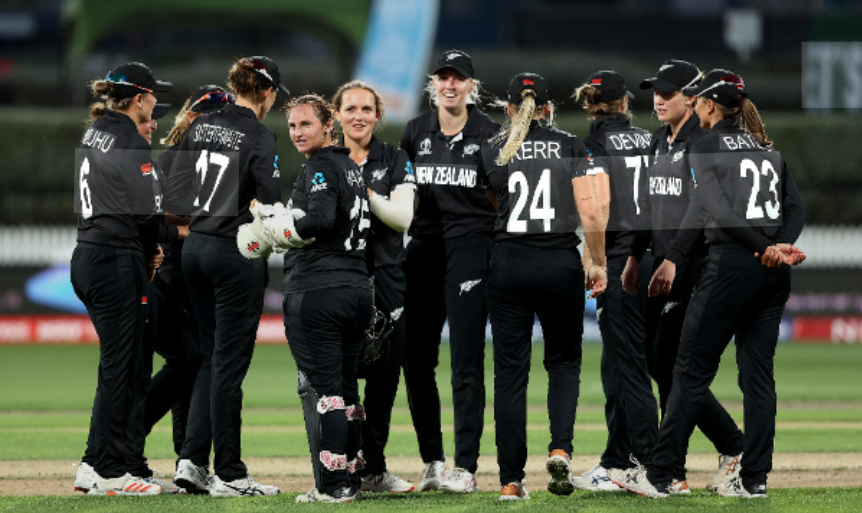
The rivalry between these two women’s cricket teams represents one of the most respected contests in international cricket history. From their earliest meetings to modern-day high-intensity clashes, the journey reflects growth, competition, and evolving skill levels on both sides. What started as uneven contests gradually turned into closely fought battles shaped by tactical awareness, fitness standards, and world-class individual performances. Over time, matches between these teams have produced memorable scorecards, dramatic finishes, and defining tournament moments. Fans from both nations have witnessed emotional highs and lows, making this rivalry a true symbol of progress in women’s cricket.
Latest Matches Table
Date
Format
Venue
Winner
Margin
Top Performer
01 Oct 2025
ODI
Indore
Australia
89 runs
Ashleigh Gardner
26 Mar 2025
T20I
Wellington
Australia
8 runs
Georgia Voll
23 Mar 2025
T20I
Mt Maunganui
Australia
82 runs
Beth Mooney
21 Mar 2025
T20I
Auckland
Australia
8 wickets
Beth Mooney
23 Dec 2024
ODI
Wellington
Australia
75 runs
Annabel Sutherland
21 Dec 2024
ODI
Wellington
Australia
65 runs
Annabel Sutherland
Team Statistics Summary Table
Format
Total Matches
Australia Wins
New Zealand Wins
No Result
Highest Score
Lowest Score
ODI
135
102
31
2
326
93
T20I
51
36
14
1
204
76
World Cup ODI
16
13
3
0
326
122
World Cup T20
8
6
2
0
173
76
Bilateral Series
28
22
5
1
204
103
Total Overall
186
138
45
3
326
76
Individual Batting Records Table
Player Name
Team
Matches
Innings
Total Runs
Highest Score
Batting Average
Suzie Bates
New Zealand
42
41
1315
106
32.87
Meg Lanning
Australia
35
34
1261
112
42.03
Sophie Devine
New Zealand
39
38
1104
112
29.84
Alyssa Healy
Australia
38
36
982
96
28.05
Beth Mooney
Australia
28
26
914
82
39.73
Ellyse Perry
Australia
45
38
895
107
31.96
Individual Bowling Records Table
Player Name
Team
Matches
Overs
Wickets
Best Bowling
Economy Rate
Ellyse Perry
Australia
45
212.4
54
5 for 22
4.15
Jess Jonassen
Australia
32
165.2
43
4 for 17
3.98
Megan Schutt
Australia
31
148.1
41
4 for 21
4.22
Lea Tahuhu
New Zealand
34
154.0
38
3 for 42
4.85
Amelia Kerr
New Zealand
26
118.3
32
3 for 54
5.12
Ashleigh Gardner
Australia
28
104.5
29
3 for 47
4.60
Early Foundations of Rivalry
The early phase of international women’s cricket between the two sides began with a clear contrast in structure and experience. One team entered the international stage with a more established domestic system, while the other relied heavily on natural talent and early development programs. These first encounters were less about polished strategy and more about learning under pressure. Players were still adapting to international travel, pitch variations, and the mental demands of elite competition. Despite the gap in resources, the contests were competitive enough to build the foundation of a long-standing sporting rivalry. Fielding intensity and disciplined bowling quickly became defining traits, while batting depth started to separate outcomes. Over time, these early matches helped both sides understand each other’s strengths and weaknesses, setting the tone for future encounters where small moments often decided results.
Match Type
Early Strength
Key Pattern
Dominant Phase
ODI
Bowling Control
Low scoring games
First innings
ODI
Batting Depth
Middle order stability
Second innings
Test
Patience Play
Long defensive spells
Entire match
ODI
Fielding Quality
Run-saving effort
Final overs
Building Structure in ODI Competition
As the ODI format became more structured, the contests between these sides evolved into more tactical battles. Teams began focusing on consistency rather than occasional brilliance. Batters were trained to rotate strike effectively, while bowlers emphasized line and length to restrict scoring opportunities. Coaching staff started analyzing opposition patterns more deeply, leading to smarter field placements and bowling rotations. The contests often reflected a balance between aggressive intent and cautious rebuilding phases. Momentum shifts became more frequent, especially during middle overs where partnerships either stabilized or collapsed under pressure. These matches played a crucial role in shaping modern women’s ODI cricket standards, with both sides contributing to increased competitiveness and professionalism.
Aspect
Team Style
Strength Area
Match Influence
Batting
Controlled aggression
Strike rotation
Middle overs
Bowling
Disciplined attack
Line accuracy
Powerplay
Fielding
Structured setup
Saving boundaries
Death overs
Strategy
Analytical approach
Match planning
Full innings
World Stage Encounters and Pressure Moments
When these teams met on the world stage, the intensity naturally increased due to higher stakes and global attention. Tournament pressure brought out the best performances, especially in knockout scenarios where every run and wicket carried significant weight. Players who usually performed steadily were suddenly tested under extreme conditions. Some matches were defined by brilliant centuries, while others were shaped by exceptional bowling spells that turned the game within a few overs. Fielding errors and unexpected collapses also played a role in deciding outcomes. These encounters contributed heavily to the rivalry’s identity, as both sides learned to adapt under pressure while maintaining their core strategies. The emotional weight of representing their nations on a global stage added another layer of intensity to every ball played.
Tournament
Key Factor
Turning Point
Outcome Style
World Cup
Batting pressure
Middle collapse
Close finish
World Cup
Bowling dominance
Early wickets
One-sided
T20 Event
Death overs
Final 3 overs
Nail-biter
Qualifiers
Consistency
Partnerships
Controlled win
Emergence of Modern Game Changers
With time, a new generation of players transformed the nature of these encounters. Power hitters, intelligent all-rounders, and sharp fast bowlers changed the rhythm of matches completely. The introduction of fitness-driven cricket and advanced training methods allowed players to perform at higher intensity levels for longer durations. Individual brilliance began to play a decisive role, with single performances often shifting the direction of entire matches. These players brought aggression, confidence, and tactical awareness, making contests more unpredictable and entertaining. The rivalry also started showcasing mini battles within the bigger match context, where key players directly influenced outcomes through personal matchups.
Player Role
Skill Type
Impact Area
Match Influence
Batter
Power hitting
Death overs
High scoring
Bowler
Swing control
Early overs
Wicket taking
All-rounder
Balance play
Middle overs
Stability
Wicketkeeper
Quick reflex
Field control
Pressure handling
Transition into T20 Intensity
The introduction of the shortest format brought a dramatic shift in playing style. Matches became faster, riskier, and more aggressive from the very first ball. Batters aimed for boundaries early, while bowlers focused on variations to control scoring. The margin for error reduced significantly, making every delivery crucial. These encounters often featured rapid momentum changes, with teams scoring heavily in one phase and struggling in the next. Tactical decisions such as bowling changes and batting order adjustments became critical in deciding outcomes. The entertainment value increased significantly, drawing larger audiences and greater attention to women’s cricket. The rivalry reached new heights of excitement in this format due to its unpredictable nature.
Phase
Batting Approach
Bowling Strategy
Game Impact
Powerplay
Aggressive start
Swing attack
Fast runs
Middle overs
Rotation play
Spin control
Stabilization
Death overs
Maximum hitting
Yorker focus
Final push
Super overs
Risk play
Defensive setup
Sudden finish
Tactical Depth and Strategic Planning
Over time, coaching strategies became more refined and data-driven. Teams began analyzing opposition weaknesses using video analysis and performance statistics. Bowlers were assigned specific roles based on match situations, while batters were trained for situational awareness. Field placements became highly dynamic, adapting to each batter’s scoring zones. Fitness and recovery also became important factors, allowing players to maintain high performance levels throughout long tournaments. Tactical planning often decided matches before they even began, as teams prepared detailed strategies for key players. These improvements made contests more professional and reduced unpredictability caused by lack of preparation.
Strategy Area
Focus Element
Execution Method
Match Benefit
Batting plan
Shot selection
Scenario training
Consistency
Bowling plan
Variations
Practice drills
Wickets
Field setup
Positioning
Data analysis
Run control
Fitness plan
Endurance
Conditioning
Performance
Defining Rivalry Moments
Certain matches stood out as defining moments in the long journey between these sides. These games featured dramatic collapses, record partnerships, and exceptional individual performances. Some encounters were remembered for last-over finishes, while others became iconic due to record-breaking innings or bowling spells. Emotional reactions from players and fans added to the intensity, making these matches part of cricketing memory. The unpredictability of outcomes kept the rivalry alive and engaging across generations. These defining moments not only shaped the rivalry but also influenced the direction of women’s cricket development globally.
Match Scenario
Highlight Event
Key Performer
Result Nature
High scoring
Century innings
Top batter
Narrow win
Low scoring
Bowling spell
Strike bowler
Defensive win
Close finish
Last over drama
All-rounder
One wicket win
Dominant win
Team collapse
Bowling unit
One-sided
Modern Era Balance and Ongoing Evolution
In recent years, the rivalry has become more balanced due to improved infrastructure and talent development in both camps. Younger players have brought fresh energy and new playing styles, making contests more competitive than before. Matches now often swing in multiple directions before a final outcome is decided. Advanced analytics, fitness programs, and global league experience have contributed to raising overall standards. While one side still maintains a historical edge, the gap has narrowed significantly in certain formats. This modern phase reflects the evolution of women’s cricket into a highly competitive and globally respected sport.
Era Stage
Development Area
Key Change
Competitive Effect
Early era
Experience gap
Skill learning
One-sided games
Mid era
Tactical growth
Structured plans
Balanced contests
Modern era
Professionalism
Fitness & analytics
Close matches
Current
Youth impact
Aggressive play
Unpredictable results
Conclusion
This rivalry stands as a powerful example of how women’s cricket has transformed over the decades. Both teams have contributed significantly to raising the global standard of the game through competitive spirit and consistent improvement. From early dominance phases to modern balanced encounters, every match has added a new chapter filled with pressure, strategy, and standout performances. The evolution of players, tactics, and intensity shows how far the game has come. Today, this rivalry continues to inspire future generations, proving that competition and respect can grow together on the international stage.