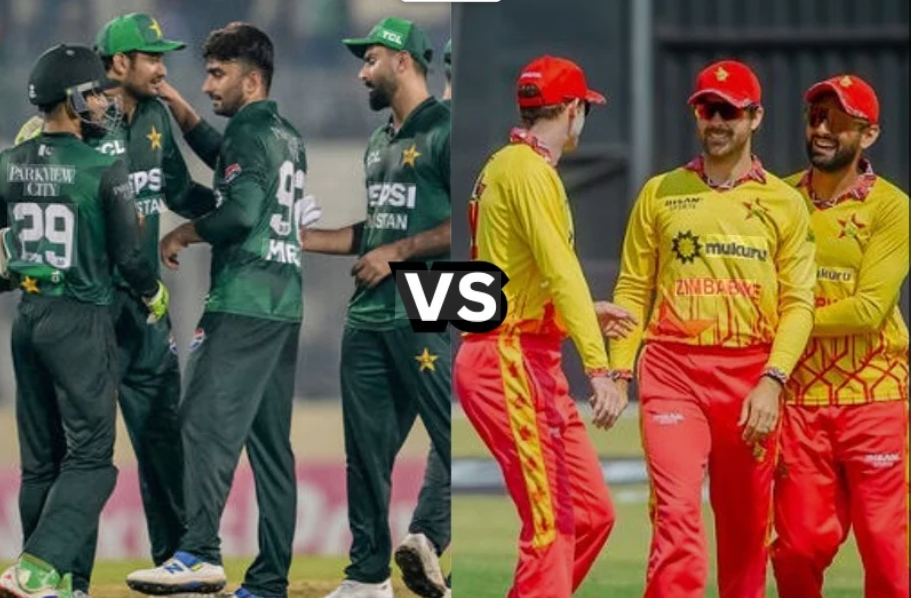
Cricket contests between these two international sides have always carried a unique mix of expectation, pressure, and evolving competitiveness. What began as uneven encounters gradually transformed into structured contests shaped by tactical growth, player development, and changing formats of the game. Early matches reflected a clear difference in experience and execution, but over time both teams adapted to modern cricket demands. Fans witnessed shifting momentum, individual brilliance, and moments of resilience that added depth to the timeline. This rivalry now represents more than just results, it reflects the journey of two teams growing through challenges, learning from defeats, and redefining their competitive identity on the international stage.
Latest Matches Table
Date
Tournament
Venue
Team 1
Team 2
Winner
23 November 2025
T20 Tri-Series
Rawalpindi
Pakistan
Zimbabwe
Pakistan
18 November 2025
T20 Tri-Series
Rawalpindi
Pakistan
Zimbabwe
Pakistan
5 December 2024
T20I Series
Bulawayo
Zimbabwe
Pakistan
Zimbabwe
3 December 2024
T20I Series
Bulawayo
Zimbabwe
Pakistan
Pakistan
1 December 2024
T20I Series
Bulawayo
Zimbabwe
Pakistan
Pakistan
Team Statistics Summary Table
Format
Played
Pakistan Won
Zimbabwe Won
Tied
No Result
Test Matches
19
12
3
0
4
One-Day Internationals
65
56
6
1
2
T20 Internationals
21
18
3
0
0
Overall Combined
105
86
12
1
6
Matches in Zimbabwe
52
41
8
0
3
Individual Batting Records Table
Player Name
Country
Matches
Total Runs
High Score
Batting Average
Grant Flower
Zimbabwe
44
2213
110
41.75
Andy Flower
Zimbabwe
46
2179
156
45.39
Mohammad Yousuf
Pakistan
32
1754
141
54.81
Inzamam-ul-Haq
Pakistan
38
1585
112
48.03
Babar Azam
Pakistan
24
1145
125
52.04
Individual Bowling Records Table
Bowler Name
Country
Matches
Wickets
Best Bowling
Economy Rate
Wasim Akram
Pakistan
35
68
5 for 18
3.42
Saqlain Mushtaq
Pakistan
25
54
5 for 22
3.85
Waqar Younis
Pakistan
28
51
4 for 26
4.10
Heath Streak
Zimbabwe
39
47
4 for 32
4.25
Haris Rauf
Pakistan
14
26
3 for 17
6.82
Early Cricket Connections Between the Two Sides
Cricket relations between these two international sides began in the late twentieth century when emerging cricket nations started facing established Asian powerhouses. The early meetings were not frequent, but they laid the foundation for a competitive sporting relationship. One side entered the international stage with a strong fast bowling identity and aggressive batting approach, while the other was still building consistency at the highest level. These early fixtures were often one sided on paper, yet they helped both teams understand each other’s strengths and weaknesses. Touring conditions, unfamiliar pitches, and limited exposure created challenges for the developing side, while the stronger unit used these matches to refine their strategies. Over time, these encounters became more structured and competitive, giving fans early glimpses of future rivalry intensity. Even in losses, the underdog side showed discipline in patches, especially in middle overs batting and spin control, which later became important in shaping competitive matches.
Matches Played
First Meeting Year
Early Win Pattern
Key Strength
Competitive Factor
Limited fixtures
Late 1990s
One sided early results
Fast bowling dominance
Experience gap
Gradual exposure
Early 2000s
Strong favorite advantage
Batting depth
Fielding impact
Growing contests
Mid 2000s
Slight improvement
Spin variation
Pitch adaptation
Increased tours
Late 2000s
More competitive spells
Tactical planning
Pressure handling
First Official Clash and Initial Impressions
The first official meeting between the two teams set the tone for what would become a long-term international cricket relationship. The stronger side entered with confidence, backed by experienced international players, while the other side relied heavily on youthful energy and raw talent. Early scorecards reflected a clear difference in execution, especially in batting depth and bowling variations. However, what stood out was the resilience shown by the less experienced squad, who managed to hold partnerships even under pressure. The match also highlighted differences in field placements, strike rotation strategies, and death over execution. While the result leaned heavily toward one direction, analysts noted that the competitive spirit of the underdog would improve with time. Fans witnessed glimpses of potential future upsets, especially in short batting spells where momentum briefly shifted. This clash became a reference point for all future encounters between the two cricketing nations.
Match Type
Venue Condition
Batting First Advantage
Bowling Impact
Match Result Trend
ODI format
Slow pitch
Moderate scoring start
Seam movement key
One sided finish
Neutral venue
Balanced surface
Stable opening stand
Spin control
Controlled chase
Early era match
Low scoring pitch
Defensive approach
Early wickets decisive
Clear dominance
Competitive phase
Mixed conditions
Improved strike rate
Death overs improved
Narrowing gap
Dominance Era in Early Encounters
As the rivalry progressed, a clear dominance phase emerged where one team consistently controlled match outcomes. This period was defined by disciplined fast bowling attacks, reliable top-order batting, and sharp fielding standards. The opposition struggled to build long partnerships, often losing early wickets that put pressure on the middle order. Tactical awareness played a huge role, especially in setting aggressive field positions and rotating bowlers effectively. The dominant side also capitalized on powerplay overs, frequently restricting scoring opportunities. Despite the imbalance, the weaker team began experimenting with lineup changes and batting order adjustments. This era is often remembered for high margin victories and record breaking bowling figures. However, it also served as a learning curve for the developing side, which slowly started building resistance in middle overs. The dominance phase eventually laid the groundwork for a more balanced competition in later years.
Performance Area
Dominant Side Advantage
Opposition Weakness
Key Factor
Outcome Pattern
Batting powerplay
Strong starts
Early wicket loss
Strike rotation
High scoring gap
Bowling attack
Fast and swing heavy
Defensive response
New ball impact
Low totals
Fielding quality
Sharp catching
Misfields under pressure
Athletic coverage
Momentum control
Match control
Tactical captaincy
Inexperience
Strategy execution
One sided results
Fightback Spirit in Limited Opportunities
Even during periods of dominance by one side, the other team occasionally produced strong fightback performances that surprised fans and analysts. These moments were often driven by determined middle-order partnerships or unexpected bowling spells that disrupted rhythm. Although victories were rare in this phase, the competitive intent became more visible. Batters began showing better strike rotation, while bowlers focused on line and length consistency. These improvements helped reduce the margin of defeats in several matches. One of the most notable aspects of this phase was the emotional intensity displayed on the field, as players refused to surrender easily even in difficult situations. These efforts slowly built a foundation for future competitiveness. The fightback spirit became a symbolic element of the rivalry, showing that even under pressure, matches could still shift momentum in short bursts.
Match Situation
Turning Factor
Key Contribution
Momentum Shift
Final Impact
Early collapse recovery
Middle order stand
Stabilizing innings
Temporary control
Reduced loss margin
Bowling resistance
Tight spell
Wicket breakthroughs
Pressure build-up
Competitive finish
Fielding effort
Direct hit run out
Energy uplift
Sudden shift
Game balance
Lower order push
Quick runs
Late acceleration
Brief dominance
Respectable total
Global Tournament Clashes and Pressure Matches
Encounters in global tournaments added a new level of pressure and importance to the rivalry. Unlike bilateral series, these matches carried qualification stakes and international attention. Both teams entered with cautious strategies, focusing on minimizing errors rather than aggressive risks. The stronger side often relied on experienced players to anchor innings, while the underdog looked for breakthroughs through disciplined bowling spells. Tournament conditions also influenced tactics, with pitch behavior and crowd atmosphere playing significant roles. Some matches featured surprisingly close finishes, where momentum swung multiple times within a few overs. These high pressure games contributed significantly to the evolving narrative between the two sides, showing that even lower ranked teams could challenge established cricketing nations under the right conditions.
Tournament Stage
Pressure Level
Batting Strategy
Bowling Approach
Result Nature
Group stage
Moderate
Controlled aggression
Tight field setup
Predictable wins
Knockout phase
High
Anchored innings
Defensive bowling
Close contests
Qualification match
Very high
Risk managed play
Wicket focused
Strategic wins
Early elimination risk
Extreme
Cautious scoring
Containment focus
Narrow finishes
Emergence of Individual Player Battles
Over time, the rivalry began to feature key individual battles that defined match outcomes. Fast bowlers targeting top-order batters became a recurring theme, while spin bowlers often played a crucial role in middle overs control. These matchups added depth to the contests, making them more than just team performances. Certain batters developed strong records against specific bowling styles, while some bowlers consistently troubled particular batting lineups. These individual duels often influenced captaincy decisions, including field placements and bowling changes. The psychological aspect also grew stronger, as players became more aware of past performances and weaknesses. This phase marked a shift from team dominance to micro-level tactical battles within matches.
Player Battle Type
Key Advantage
Tactical Response
Match Impact
Frequency
Fast vs top order
Early breakthroughs
Defensive opening
Wicket pressure
High
Spin vs middle order
Run restriction
Sweeping strategy
Control phase
Medium
Death overs clash
Finishing power
Yorker execution
Final overs swing
High
All round impact
Balance control
Match adaptation
Momentum shift
Medium
Modern Era Transformation and Competitive Balance
In recent years, the rivalry has become more balanced due to improvements in training, domestic cricket structures, and international exposure. Both sides now feature younger squads with aggressive playing styles and better fitness levels. Matches are no longer one sided, as smaller margins and competitive totals have become more common. Tactical innovation, including data driven strategies and advanced analytics, has influenced decision making on both sides. Batting strike rates have increased, while bowling variations have become more sophisticated. This modern phase reflects a more globalized cricket environment where any team can challenge another on a given day. Fans now expect closer contests, and scorecards often reflect shifting momentum rather than predictable outcomes.
Modern Factor
Improvement Area
Team Impact
Match Trend
Competitive Level
Fitness upgrade
Fielding agility
Faster response
Balanced contests
High
Data analytics
Strategy planning
Better decisions
Tactical games
High
Batting evolution
Strike rate increase
Higher totals
Competitive scores
Very high
Bowling variation
New techniques
Wicket diversity
Unpredictable outcomes
High
Conclusion
The timeline of meetings between these two sides highlights how cricket evolves through experience, adaptation, and persistence. While early encounters were dominated by one team, the progression of time brought greater balance and competitiveness. Key performances, tactical changes, and rising player talent transformed predictable outcomes into engaging battles. Each match contributed to a broader narrative of improvement and resilience, especially for the side that initially struggled. Today, this rivalry stands as a reflection of cricket’s unpredictability, where preparation and execution matter more than reputation. It remains a continuing story, with every new match adding another chapter to an already rich cricketing history.