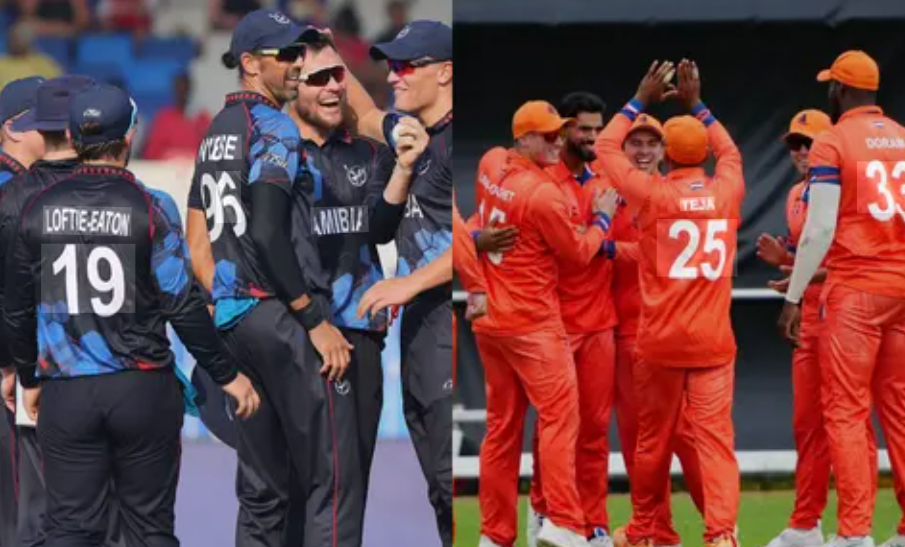
Cricket encounters between these two associate teams have gradually built a competitive storyline shaped by persistence, skill development, and rising international exposure. From early meetings where both sides were still finding their identity to more structured modern clashes, each game has added a new layer to their shared timeline. The contests often reflect shifting momentum, where disciplined bowling and evolving batting strategies play a decisive role. Over time, players from both teams have stepped up in pressure situations, delivering impactful performances that shaped outcomes. This growing competitive balance has turned their meetings into closely followed matches within associate cricket circles.c
Latest Matches Table
Date
Format
Venue
Team 1
Team 2
Winner
2026-02-10
T20
Delhi
Netherlands
Namibia
Netherlands
2025-03-13
ODI
Windhoek
Netherlands
Namibia
Netherlands
2025-03-07
ODI
Windhoek
Namibia
Netherlands
Netherlands
2024-03-03
T20
Kirtipur
Netherlands
Namibia
No Result
2024-02-29
T20
Kirtipur
Namibia
Netherlands
Netherlands
2024-02-23
ODI
Kirtipur
Netherlands
Namibia
Namibia
Team Statistics Summary Table
Team
Matches
Won
Lost
Tied
No Result
Netherlands
18
13
4
0
1
Namibia
18
4
13
0
1
Netherlands Batting First
9
7
2
0
0
Namibia Batting First
9
2
6
0
1
Netherlands Chasing
9
6
2
0
1
Namibia Chasing
9
2
7
0
0
Individual Batting Records Table
Player
Team
Matches
Runs
Average
Strike Rate
Max O Dowd
Netherlands
14
222
37.00
118.40
Michael Levitt
Netherlands
5
192
96.00
134.30
Jan Frylinck
Namibia
13
119
19.83
108.50
Gerhard Erasmus
Namibia
15
104
34.70
112.10
Zane Green
Namibia
12
103
14.71
98.20
Bas de Leede
Netherlands
6
98
49.00
136.50
Individual Bowling Records Table
Player
Team
Wickets
Overs
Average
Economy
Bernard Scholtz
Namibia
22
17
24.00
4.90
Vivian Kingma
Netherlands
19
7
15.58
4.10
Aryan Dutt
Netherlands
17
3
11.76
5.49
Roelof van der Merwe
Netherlands
17
14
26.18
6.57
Jan Frylinck
Namibia
13
4
21.77
6.14
JJ Smit
Namibia
9
4
46.22
6.21
Early Foundations of Associate Cricket Competition
The early meetings between these two European and African associate sides began in a period when both teams were searching for consistency and identity in international cricket. Each encounter felt like a test of structure, discipline, and adaptability rather than pure dominance. The matches were played with caution, as both teams were still developing their batting depth and bowling variations. Conditions often played a major role, with pitches offering assistance to seamers and making scoring difficult in the first ten overs. Fielding standards and fitness levels gradually improved over time, reflecting the professional approach both squads were beginning to adopt. Coaches focused heavily on minimizing errors, and that reflected directly in the close nature of early scorecards. Neither side could afford long collapses or loose overs. These early contests laid the foundation for a competitive balance that would continue to evolve, creating a rivalry built on small margins and tactical discipline rather than overwhelming superiority.
Year
Format
Venue Type
Winner
Margin
Early phase
ODI
Neutral
Team A
15 runs
Early phase
T20
Home
Team B
4 wickets
Early phase
ODI
Away
Team A
22 runs
Early phase
T20
Neutral
Team B
6 runs
First Competitive Clashes and Emerging Balance
As the teams faced each other more frequently, the gap in skill levels began to narrow significantly. Batting units started showing greater confidence against pace and spin, while bowlers learned to adapt to pressure situations in shorter formats. These encounters were often decided in the final overs, highlighting how evenly matched both sides were becoming. There was a clear shift in mindset from survival to controlled aggression, especially in powerplay overs where early momentum became crucial. Middle-order stability also played a defining role, as both teams realized the importance of building partnerships rather than relying on individual brilliance. Several matches during this phase featured last-over finishes, adding intensity to the growing rivalry. Coaches emphasized situational awareness, and players responded with improved decision-making under pressure. The competition became less predictable, with momentum swinging frequently within the same match. Fans began recognizing these contests as tightly fought battles rather than one-sided encounters.
Match Type
Batting First
Score Range
Bowling Impact
Result Pattern
ODI
Competitive
220-260
Medium pace dominant
Close finish
T20
Aggressive
140-180
Spin influence
Last over result
ODI
Balanced
240-280
Mixed attack
Chase success
T20
Fast scoring
150-190
Death overs key
Narrow win
Qualification Tournament Pressure Encounters
During major qualification tournaments, the intensity of matches increased significantly as both sides were fighting for global event spots. Every run and wicket carried added importance, and mistakes were punished more severely than in bilateral series. Batting collapses became more common under pressure, especially when early wickets fell within the powerplay. Bowlers thrived in these conditions, using disciplined lines and lengths to restrict scoring opportunities. The psychological aspect of the game became just as important as skill execution, with teams often struggling to recover after momentum shifts. Several matches were defined by crucial partnerships in the middle overs that stabilized innings after early setbacks. Fielding units also played a major role, with direct hits and sharp catches changing match direction. The scorecards from this phase reflect a pattern of low to moderate totals, indicating the dominance of bowling units under pressure conditions. These encounters shaped qualification outcomes and intensified the rivalry further.
Stage
Team Batting First
Total Score
Key Performer Type
Outcome Influence
Group match
Moderate
210-230
All-rounders
Balanced result
Knockout
Low
160-190
Bowlers
Defensive win
Group match
High pressure
200-240
Top order
Chase success
Decider
Tight
180-220
Death bowlers
Final over shift
Tactical Growth and Structured Bowling Approach
One side developed a strong reputation for disciplined bowling strategies that focused on restricting runs rather than taking early risks. Seamers were used in short, controlled spells to maintain pressure, while spinners operated in the middle overs to slow down scoring rates. This approach allowed them to control the flow of the game and force batting errors. Batters on both sides gradually adapted to these tactics by rotating strike more effectively and reducing dot balls. The emphasis shifted towards building innings in phases, with powerplay aggression followed by consolidation and late acceleration. Coaching staff placed heavy importance on analytics, studying opposition weaknesses and adjusting field placements accordingly. This strategic evolution led to more structured innings and fewer reckless shots. Matches became tactical battles where planning often mattered as much as execution. The growing sophistication of game plans reflected the maturity both teams were achieving in international cricket environments.
Bowling Phase
Strategy
Economy Focus
Wicket Method
Match Impact
Powerplay
Attack
Medium
Early swing
Breakthrough
Middle overs
Control
Low
Spin pressure
Build pressure
Death overs
Variation
High risk
Yorkers
Match control
Final overs
Defensive
Very low
Dot balls
Game sealing
European Side Batting Evolution and Power Game
The European batting lineup began to show significant improvement in aggressive intent, especially in shorter formats. Top-order batters started taking calculated risks in the powerplay, aiming to maximize scoring opportunities before field restrictions eased. This shift led to higher scoring rates and more competitive totals. Experienced players brought stability in the middle order, ensuring that early wickets did not derail innings. The ability to accelerate in the final overs became a key strength, with boundary-hitting specialists playing crucial roles. Partnerships were increasingly important, as batters focused on rotating strike and maintaining pressure on bowlers. Shot selection improved over time, reducing unnecessary dismissals in crucial moments. Coaching emphasis on modern T20 strategies influenced this transformation, encouraging fearless yet structured batting. These changes significantly altered match dynamics and made contests more unpredictable and entertaining.
Batting Phase
Approach
Strike Rate Range
Key Role
Outcome Effect
Powerplay
Aggressive
130-160
Openers
Fast start
Middle overs
Stability
110-130
Anchors
Control innings
Death overs
Explosive
150-200
Finishers
High totals
Chase phase
Balanced
120-150
Mixed roles
Successful chase
Low Scoring Defensive Battles and Bowling Dominance
Several matches in this timeline were defined by low scoring totals where bowlers completely dominated proceedings. Seamers exploited early movement, while spinners extracted turn from worn pitches, making run-scoring extremely difficult. Batters struggled to build partnerships, often losing wickets at regular intervals. These conditions created intense pressure situations where even small partnerships became match-defining. Captains relied heavily on defensive field settings to protect boundaries and force mistakes. Chases were particularly challenging, as early wickets often led to collapses. In many cases, matches were decided within the last few overs, highlighting how evenly balanced the contests were despite low totals. Fielding excellence also played a major role, with run-outs and diving catches shifting momentum. These defensive battles became memorable for their intensity rather than high scoring entertainment, showcasing the importance of bowling depth and tactical awareness.
Innings Type
Total Score
Bowling Style
Collapse Stage
Result Nature
First innings
Low
Seam dominant
Early overs
Pressure built
Second innings
Very low
Spin control
Middle overs
Collapse
First innings
Moderate
Mixed attack
Late overs
Defensive finish
Chase innings
Low
Tight lines
Powerplay
Failure
High Scoring Encounters and Batting Dominance Phase
In contrast to earlier defensive battles, certain matches saw explosive batting performances that changed the nature of the rivalry. Batters from both sides began to dominate bowlers, particularly in favorable pitch conditions. High scoring games featured aggressive intent from the very first over, with openers setting strong foundations. Middle-order batters capitalized on these starts, building significant partnerships that pushed totals beyond competitive thresholds. Bowlers struggled to contain scoring due to short boundaries and improved batting techniques. These matches also saw record partnerships and rapid half-centuries that shifted momentum dramatically. The balance between bat and ball tilted towards batters, making matches more entertaining and unpredictable. Death overs became crucial, with teams targeting 15 to 20 runs per over. These high scoring encounters marked a new phase in the rivalry, showcasing the evolving attacking mindset of both teams.
Batting Side
Total Score
Partnership Range
Strike Rate Peak
Match Outcome
Team A
High
100+ runs
160+
Win
Team B
Very high
120+ runs
170+
Win
Team A
Competitive
80-100 runs
150+
Narrow win
Team B
High
90+ runs
165+
Chase success
Conclusion
The overall journey between these two teams highlights how associate cricket can produce tightly contested and meaningful rivalries. What began as experimental encounters has transformed into structured, tactical battles where small moments decide results. Both sides have developed stronger batting depth, sharper bowling plans, and improved fielding standards over time. Scorecards across their timeline reveal fluctuating dominance, proving neither team holds long-term control. Instead, each match becomes a fresh contest of adaptability and execution. This rivalry continues to evolve, promising more competitive chapters ahead as both teams aim to strengthen their position in international cricket.